Open post

Ways to Correct Furniture Scratching
Be a part of
the solution

Ways to Correct Furniture Scratching

Kittens
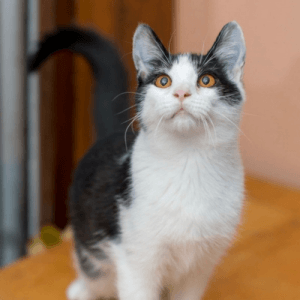
If a kitten starts to scratch your furniture gently pull it off and place its front paws on the scratching post or appropriate cardboard or sisal mat. Do not yell at the kitten and do not ever throw anything at the kitten. This will result in the kitten being scared of you and will do nothing to correct the behavior.
Also, use horizontal scratching surfaces that lay flat.

Older cats
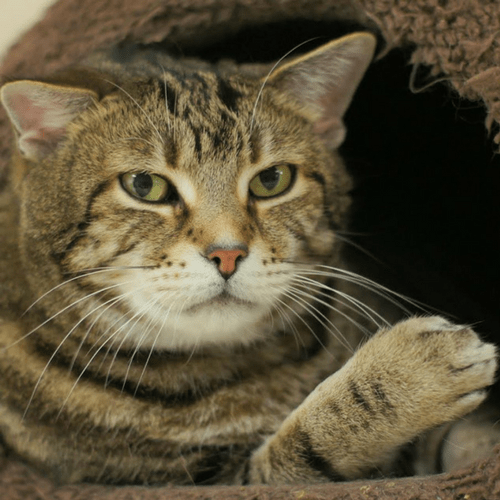
Gently shake an empty soda container containing 3 or 4 pennies, but not directly in his or her face. Put double-edged-sided tape or aluminum foil on the furniture. This will reduce the scratching sensation. Also, you can purchase little cat “booties” (Soft Paws) to slip over the cat's nails.
And, as with kittens, use horizontal scratching surfaces

Open post

Cat Care Essentials

Be a part of
the solution

Cat Care Essentials

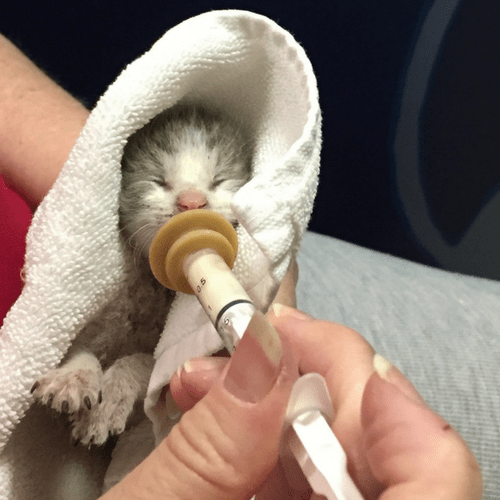
Food: For a few weeks, keep your cat on the same food he or she has been receiving at the Adoption Center. Whenever possible, we will provide you with a bag of food when you take your new cat home. Abrupt food changes often cause diarrhea and additional stress, so introduce a new food brand by integrating it with the food your cat has been eating at P.O.A. slowly over the course of 7 - 10 days.

Click here to learn about foods to avoid for your cat.

Litter box: Make sure you have a litter pan for each individual cat and clean it daily. It is very important to completely empty the pans regularly. Also make sure the litter pan is easily accessible to your cat and keep the litter pan in the same place all the time. With small kittens, it is a good idea to have litter pans on each level of your home. Whenever possible, use unscented litter. Many “scents” cause respiratory symptoms such as sneezing, watery eyes and runny nose. The scent also rests on their coat, which may result in lack of grooming.

Scratching post: Scratching is a necessary and innate behavior for cats and kittens. And it's a normal habit of a healthy cat. Cats exercise the foot muscles to remove dead tissue from nails and scratching also has a soothing, comforting effect. It's a good idea to get multiple types of scratching surfaces for your cat because each cat has preferences. Cardboard and sisal mats work well. Your Placement Team can advise you of other helpful tips for proper scratching behavior.

Toys: Kittens and playful cats need toys for entertainment (theirs and yours) as well as exercise. Make sure the toys you give your kitten are appropriate for the kitten’s size and age. String toys can be dangerous and should be avoided for cats and kittens.

Open post

Veterinary Care

Be a part of
the solution

Veterinary Care

Establish a relationship with a vet as soon as possible after adoption and bring your new cat or kitten(s) to see the vet.

This is an important relationship to maintain throughout the life of your cat. POA can offer you vet references in your area if you do not already have one.

You will need to bring your cat to a veterinarian at least once a year for a wellness exam and to determine a vaccination schedule. Always see a veterinarian immediately if your cat or kitten is sick, especially if he or she is experiencing severe diarrhea, vomiting, or a decrease or increase in litter box use or appetite.

Open post

Immediately After Adoption

Be a part of
the solution

Immediately After Adoption

Spend time in the same room as your new cat and let him or her slowly come to you. Do not rush the relationship. Cats and kittens need a lot of time to acclimate to you and their new home.

Speak in soft, kind, gentle tones and keep the house quiet.

Don't overwhelm your new cat with a lot of family and friends until he or she is adjusted to your household.

Always supervise small children with the cat. Instruct them to be respectful and gentle and calm.

If you are introducing your new cat or kitten to animals you already have in the home, be sure to follow introduction procedures explained to you by your Placement Team volunteer. Introducing your new cat to your other animals improperly and too soon may result in an aggressive and unfriendly relationship among the animals.

POA Placement Team members are experienced in animal introduction procedures and will give you information for you to take home, and clear instructions for you to follow.

Open post

What is FIV?

Be a part of
the solution

What is FIV?

FIV is “feline immunodeficiency virus.”
Humans and other animals cannot be infected with FIV.
It is a “cats-only” infection.

FIV - Squelching the Rumors
By Kristi Littrell

  1. Despite what many people think, cats with this condition can live perfectly long, happy, healthy lives.
  2. The Feline Immunodeficiency Virus is a slow virus that affects a cat's immune system over a period of years.
  3. FIV is a cat-only disease and cannot be spread to humans or other non-felines.
  4. FIV cats most often live long, healthy, and relatively normal lives with no symptoms at all.
  5. FIV is not easily passed between cats. It cannot be spread casually - like in litter boxes, water and food bowls, or when snuggling and playing. It is rarely spread from a mother to her kittens.
  6. The virus can be spread through blood transfusions, badly infected gums, or serious, penetrating bite wounds. (Bite wounds of this kind are extremely rare, except in free-roaming, unneutered tomcats.)
  7. A neutered cat, in a home, is extremely unlikely to infect other cats, if properly introduced.
  8. Many vets are not educated about FIV since the virus was only discovered 15 years ago.
  9. FIV-positive cats should be kept as healthy as possible. Keep them indoors and free from stress, feed them a high-quality diet, keep and treat any secondary problems as soon as they arise.

FIV FAQs

Scroll to top