Open post

The Truth About Pit Bulls

Be a part of
the solution

The Truth About Pit Bulls

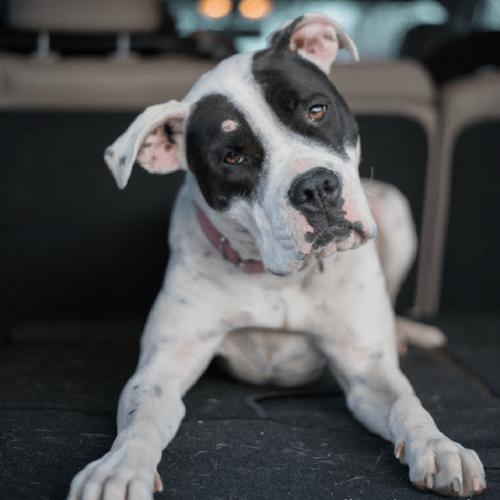
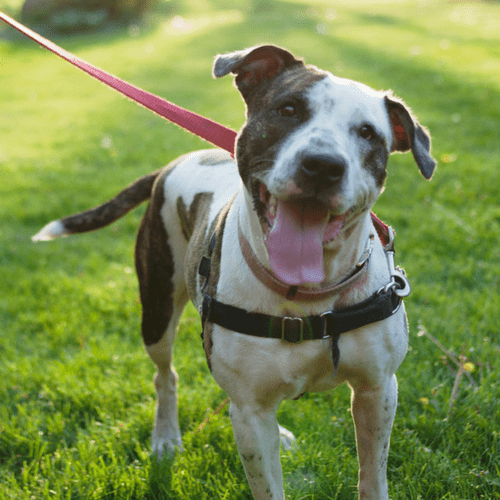
POA has a variety of dogs available for adoption, but have you considered a Pit Bull or Bully type dog? While POA rescues dogs of all shapes, sizes, breeds, and breed mixes, we’d like to take a moment to enlighten you about the often misunderstood Pit Bulls, and invite you to consider those we have available for adoption.

You may choose to believe it, or you may already disregard it, but you’ve certainly heard it…there’s a lot of buzz about Pit Bulls and the Bully type dogs, much of which is negative. The good news stories don’t make the news, nor do the bad incidents involving other breeds of dogs. But all dogs can be good or bad, depending on their training and upbringing, and it is unfortunate that the misrepresentative few get top play in the headlines.

As any fan of the breed will tell you, there are many highly like-a-bull and love-a-bull qualities about the breed. They are intelligent, loyal, and highly-trainable, and they can make great family dogs. Despite common myth, most are great with other dogs, and especially other Pitties, because they enjoy the ruff and tumble play style. Most notably, they are often clownish, silly, and fun-loving dogs, despite their often stoic expressions.

Before you close the door on a Pit Bull or Pittie mix, let our adoption counselors show you how fun, smart, and safe these dogs can be. Click on the Adoptable Dogs link to see our current Love-A-Bull's.

Pit Bulls can even be therapy dogs! Watch this video as POA alumni, Jasper, demonstrates his keen focus on his handler, despite all of the distractions thrown his way. See how he remains calm, gentle and focused, all traits necessary to become a therapy dog.

For more information about the breed, check out the information below.

Pit Bull Terrier awareness links and information:

Other local Animal Control facilities that have many pit bulls (not all inclusive by any means!):

Open post

Basic Commands and Training

Be a part of
the solution

Basic Commands and Training

Whether you are a recent adopter or one of our volunteers, we have provided this video for you to review the basic commands that we teach the POA dogs while they are in our care. Each video is 2- to 4-minutes long, and provides you with a very brief demonstration of how we execute the commands. Click on PLAYLIST icon to see the complete list of videos.

New Adopters
As a new adopter, it will be helpful for you to know the voice and hand commands that we were using with your new dog before you adopted. We still encourage you to sign up for and attend dog training classes with your dog, through a local trainer or training facility. The bonding experience will quickly build the connection between your dog and you. More importantly, they will train you HOW to train your dog, whereas our complimentary video simply shows you how we have been communicating to them.

Volunteers
While this video doesn’t teach you HOW to train the POA dogs, it is intended to show you the standard commands we teach them, and that you are expected to use while handling them. Voice commands and hand signals differ from home to home, and how you communicate with your own dogs at home may well vary from POA’s standard commands. With so many dedicated volunteers handling these animals on a daily basis, it is very important that we all use the same commands, and execute them THE SAME way, so that our dogs learn faster and are not confused by the varying commands. If you are a new volunteer, watching this video is a required and important step in your orientation and training. If you’ve been with us for a while, the video may help refresh what you already know, and perhaps encourage you to sharpen your skills. Check back often…you may notice something new each time. Even subtle differences in our voice and hand commands can confuse a dog as we are training them for adoption. Therefore, it is important that we all use the same commands, and execute them consistently.

For more on learning HOW we train the POA dogs to learn these commands, please inquire with your shift leader or with other, experienced trainer/handlers on your shift. Proper training takes time and practice, and during your tenure with POA, we will help show some effective techniques, if you don’t know them already. The more you know, the more you can help prepare these dogs to become adoptable, well-behaved candidates for adoption, and eventually…house pets.

Thank You
POA would like to thank Dan and Liam McNamara for producing these videos for us. Their professionalism made this all possible, and we are sincerely grateful for their time and hard work in recording and editing, and for adding the little personal touches to make this production more professional. Dan may be reached directly at: [email protected]

Open post

Training Tips

Be a part of
the solution

Training Tips

Our POA trainers have compiled these additional tips to help you train your adopted dog:
When giving a command, use simple one word commands: Come, Sit, Off (which should mean get off the couch, don't jump on me), Down (which should mean: lie down); Let's Go (which should mean come this way); and Heel (walk politely by my side-no sniffing around). Also, make sure you have a release word to release the dog from the command (i.e. OK)

Use hand signals along with the commands to make it visual for the dog.

As soon as the dog starts to respond to the command, praise the dog.

Use the tone of your voice to distinguish between a command and praise. Lower your vocal tone for a command, and use higher and more excited tones for praise.

Say the command once, and if the dog does not respond, gently guide the dog into the appropriate behavior (for example "Sit"). Again praise the dog once it performs the desired behavior.

If a dog is frightened of something (for example thunder) do not sooth the dog, it will then think that it should be frightened. Instead, in a happy excited tone, try to distract the animal with a toy or other activity.

It is very important to socialize a dog. With a puppy, begin to socialize it after it has had all its shots. Socialize the dog with both people and other animals.

For an adult dog that has been adopted socialization is also important. If the dog is aggressive toward other dogs, use a Sporn halter to exert control when it encounters other dogs. When the dog becomes aggressive, shake an empty Coke can with coins in it, in front of his face; or, spray his face with a water/vinegar solution while saying loudly and in a deep voice "shame on you!" This problem may also require the assistance of a professional trainer.

Exercise the dog regularly. Walks, playing catch, swimming are all great activities. An exercised animal is a happier animal. Young dogs should not be over exercised, particularly on hard surfaces. Ask your veterinarian about an exercise routine. Don't jog/run with your dog until he or she is approximately two years old.

Training should be fun. Get excited when your dog carries out a command. Use toys for distractions and rewards.

Never, ever hit the animal to discipline it. A firm "no" should work. If not, a time out in a quite area is appropriate. The time out should be for a short time (a couple of minutes).

Common Mistakes
Giving a dog an old sock to chew. Someday the dog will discover the laundry basket and think it’s a toy box. Dogs should have toys of their own.

Letting a puppy on the furniture when 15 pounds, but not allowing him or her on furniture at 60 pounds. Never let a puppy do something when little that you wouldn't permit when full-grown.

Taking the food bowl away from a dog that is food possessive. Instead of taking the food bowl away, try feeding the dog in portions, and take and refill the bowl. When the dog finishes each portion, offer praise. At the last portion feeding drop a special treat into the bowl. The dog will learn that you taking the food bowl is a good thing. Remember to wait until he or she is done with each portion before removing the bowl.

Never call a dog to you via the "Come" command to punish it for bad behavior. He or she will then think that if it comes to you it will be punished.

Never discipline a dog for bad behavior unless you've caught him or her in the act. If you catch an animal chewing on something forbidden, firmly say "No" and as soon as he or she drops it, offer praise.

Open post

Puppy Advice

Be a part of
the solution

Puppy Advice

Your puppy will need vet care for the rest of his or her life, so establish a vet within 2 weeks of adoption.

Chewing
Puppies will chew almost anything until they get their second teeth. When nipping occurs, you say "No!" sharply, shake the scruff of the neck, and then ignore the dog. If chewing something of value happens, put a product called "Bitter Apple" on it. Also provide a substitution, like a rawhide bone or a Kong Toy stuffed with dog food that you've put in the freezer overnight

Sometimes it also helps to put your fist into the puppy's mouth when nipping occurs because their natural response is to lick you when you pull back. Then reward the lick with praise.

Crate training
For the first 6 months we recommend crate training your puppy. If you need specific advice on how to crate train, any library, pet store or bookstore will have books on puppy care that will help you determine a schedule. After a year you may not need the crate but your dog might like it as his or her own quiet spot.

Contain your puppy in the crate for no longer than 4 hours at a time. If you work outside the home all day, arrange for someone to let the puppy out during the workday. Gradually you can extend the time - but to no more than 7 hours.

When your puppy is first confined he or she may cry and whine. Ignore it. Then when quiet comes, go in and reward your puppy for being quiet. Do not give attention for crying.

Establish a consistent morning routine. For example: puppy goes out, eats, goes out again, has some play time, goes out a last time, then gets confined. Give her a treat during confinement and say something like "I'll be back!" and walk away. You might leave a radio on for company.

Never reprimand your puppy if he or she soils in the crate. Your dog is still a baby and doesn't have complete control yet.

Jumping
Discourage your puppy from jumping on you by turning your back and ignoring him or her. When the behavior stops, give some attention.

Socializing
Your puppy is used to being with the litter or other dogs. So keep him or her with you whenever you can, in areas you can easily clean. Establish a sleeping area and stick to it.

Puppies also need socialization with other dogs from the time they're about 8 weeks old. So enroll your puppy in Puppy Kindergarten soon and then progress to Obedience Classes.

Supervision
Keep your puppy off slippery surfaces, which can cause hip and joint problems later in life.

Be very careful of your puppy around children and don't leave your puppy unsupervised around children. Children can unintentionally harm a puppy and puppies have a tendency to nip and scratch.

Vitamins
We recommend keeping your puppy on Vitamin C. Lead up to 500 units and then over a period of 2 weeks increase to 1000 units gradually decreasing again to 500 units for the rest of his or her life.

We have also seen dramatic, positive results by administering Vitamin E to puppies for muscular development. Discuss these options with your vet.

Open post

Dog Care Essentials

Be a part of
the solution

Dog Care Essentials

Food
A small meal in the morning and evening should be sufficient. Buy a good brand of dog food, not necessarily a brand on sale, and maintain the same diet all the time. We recommend feeding the dog a combination of dry and canned food. Most of all don't overfeed and do not experiment with a variety of food brands.

If you adopt a puppy, continue on puppy food for the first 6 months then transition gradually to adult dog food.

Collars and leashes
Every dog, no matter the size, age, or energy level, needs a daily walk for both exercise and to maintain their connection to the world around them. For a dog, the sniffing and exploring is as important to their psychological well-being as the exercise is to their physiological well-being. Every POA dog gets a daily walk with our volunteers as part of their training and care. POA dogs are trained on a variety of collars and leashes, depending on what we find to be most effective with each particular dog. Your adoption counselor will discuss with you, what we are using for the dog you are planning to adopt.

And remember to take a plastic bag with you on the walk to pick up after your dog. This is responsible owner behavior and will keep you in good standing with neighbors.

Toys
The "Kong Toy," available in most pet stores, can entertain a dog for hours. Its hard rubber is almost indestructible and it's made to fill with all sorts of treats - peanut butter, dog food, etc. A bored dog may work for hours at getting to the goodies inside.

We also recommend owning a couple of hard rubber or tennis balls and a Frisbee for playtime and exercise.

Clean up products
Every dog will have an accident at some time. One of the best products we've found to clean up after pets is "Nature's Miracle" - a solution that's available in most pet stores. The enzymes in the solution eliminate the stain and any smell.

Security Cameras
This link to a great article was sent in by one of our young supporters! Annie researched dog security cameras as part of an online pet care course she attended and shared it with us! We are thrilled when our young supporters get involved!

https://www.cctvcameraworld.com/security-cameras.html

Open post

Dog Vet Care

Be a part of
the solution

Dog Vet Care

You will need to bring your dog to a veterinarian at least once a year. Your vet will advise you on the vaccinations your dog will need and on what schedule. Be sure to consider heartworm preventative and flea/tick repellents during the summer months.

Always see a veterinarian if the dog is sick, especially if diarrhea, vomiting, coughing, excessive licking or loss of appetite or is present.

Open post

After Dog Adoption

Be a part of
the solution

After Dog Adoption

First of all, don't expect too much from your new dog at the beginning. He or she may have been wandering on her own or kenneled for a while and will need a period of adjustment to get used to you and the new environment. Be prepared to be patient and forgiving.

Spend time in the same room as your new dog. Sit on the floor and read a book for example, and let him or her slowly come to you over time. Although you'll be tempted to pet and kiss your new dog to show your affection, don't get in your dog's face. Give it time.

Speak in soft, kind, gentle tones that instill trust.

Show your new dog the door to the outside and consistently let him or her out that door. Don't confuse the issue with too many exits.

Take a week or two before inviting family and friends to your house to see your new pet. First make sure the dog is comfortable and secure in the new surroundings. Make sure he or she feels the home belongs to the two of you before inviting others in.

Dogs like routine. They want to eat at the same time each day, sleep when you're away, and spend time with you when you're home. If you work and won't be home during the day, don't spend the first week home with your new dog, 24 hours a day.

Introduce your new dog to other dogs in the household on neutral territory, away from your house. Keep both dogs leashed for control, until you are certain they will get along. Introduce the dog to a cat by keeping the cat protected in a cage and the dog on a leash. If the dog appears aggressive, you might use a nylon muzzle on her until she gets used to the cat. Don't leave the new dog alone with other pets when you leave the house.

Always closely supervise your new dog with children. Children's tones of voices and quick movements can unsettle a dog and most dog bites are inflicted on children because of this.

Scroll to top